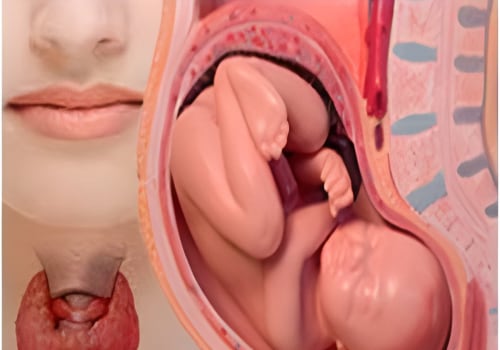
The Journey to Overcoming Iodine Deficiency: Insights from a Nutrition Expert
Discover the journey to overcoming iodine deficiency with expert insights on its importance, symptoms, and supplement benefits.


Iodine is a trace element that plays a pivotal role in maintaining optimal health, yet it often goes unnoticed in discussions about nutrition. This essential mineral is primarily known for its critical function in the production of thyroid hormones, which are vital for regulating metabolism, growth, and development. The thyroid gland, a butterfly-shaped organ located in the neck, relies on iodine to synthesize hormones such as thyroxine (T4) and triiodothyronine (T3). These hormones influence nearly every cell in the body, affecting everything from energy levels to cognitive function. Without sufficient iodine, the thyroid cannot produce adequate amounts of these hormones, leading to a condition known as hypothyroidism.
This deficiency can manifest in various symptoms, including fatigue, weight gain, and even depression. In children, inadequate iodine levels can result in severe developmental issues and intellectual disabilities. Thus, understanding the importance of iodine is crucial not only for individual health but also for public health initiatives aimed at preventing iodine deficiency. The health benefits of iodine extend beyond thyroid function. It plays a role in supporting the immune system, promoting healthy skin, and even influencing reproductive health.
Pregnant women are particularly vulnerable to iodine deficiency; insufficient levels during pregnancy can lead to complications such as cretinism in infants and increased risk of miscarriage. Therefore, ensuring adequate iodine intake is essential for both mothers and their developing children. In summary, iodine is not just another nutrient; it is a cornerstone of health that supports various bodily functions. Recognizing its significance can empower individuals to take proactive steps toward maintaining adequate iodine levels through diet or supplementation. As we delve deeper into the journey of overcoming iodine deficiency, it becomes clear that understanding this mineral's role is the first step toward achieving better health outcomes.
The Global Issue of Iodine Deficiency
Iodine deficiency is a pressing global health issue that affects approximately 2 billion people worldwide, making it one of the most prevalent nutritional deficiencies.Despite the significant strides made in public health, particularly in developed nations, iodine deficiency remains a critical concern, especially in developing regions where access to iodine-rich foods is limited. The historical context of iodine deficiency reveals a troubling narrative. In the early 20th century, many regions, particularly those far from the ocean, experienced widespread goiter and other thyroid-related disorders due to insufficient iodine intake. This led to public health initiatives, such as the introduction of iodized salt in the 1920s in the United States, which significantly reduced the prevalence of deficiency. However, even with these measures, certain populations continue to struggle with inadequate iodine levels. Several factors contribute to the persistence of iodine deficiency: Despite the significant strides made in public health, particularly in developed nations, iodine deficiency remains a critical concern, especially in developing regions where access to iodine-rich foods is limited. The historical context of iodine deficiency reveals a troubling narrative. In the early 20th century, many regions, particularly those far from the ocean, experienced widespread goiter and other thyroid-related disorders due to insufficient iodine intake. This led to public health initiatives, such as the introduction of iodized salt in the 1920s in the United States, which significantly reduced the prevalence of deficiency. However, even with these measures, certain populations continue to struggle with inadequate iodine levels. Several factors contribute to the persistence of iodine deficiency:
-
Dietary Choices: Many individuals do not consume sufficient amounts of iodine-rich foods such as seafood, dairy products, and eggs.
In some cultures, traditional diets may lack these essential sources.
- Geographical Limitations: Regions with low soil iodine levels often produce crops that are deficient in this vital nutrient. This is particularly evident in mountainous areas and landlocked countries.
- Food Processing: The modern food industry often processes foods in ways that strip them of their natural iodine content. For instance, refined grains and processed foods may not provide adequate iodine.
- Health Conditions: Certain medical conditions can impair the body’s ability to absorb or utilize iodine effectively. For example, gastrointestinal disorders can hinder nutrient absorption.
-
Pregnancy and Lactation: Pregnant and breastfeeding women have increased iodine requirements.
If these needs are not met, both mother and child may face serious health risks.
Recognizing the Symptoms of Iodine Deficiency
Iodine deficiency can manifest in various ways, often leading to a range of symptoms that may go unnoticed until they become severe. Understanding these symptoms is crucial for early detection and intervention.Below are some common signs associated with iodine deficiency and its related condition, hypothyroidism.
- Fatigue: One of the most prevalent symptoms of iodine deficiency is persistent fatigue. Individuals may feel unusually tired or lethargic, even after a full night's sleep.
- Weight Gain: A slowdown in metabolism due to insufficient thyroid hormone production can lead to unexplained weight gain. This can be particularly concerning for those who maintain a healthy diet and exercise regularly.
- Cold Intolerance: People with iodine deficiency often experience an increased sensitivity to cold temperatures. This occurs because the body struggles to generate adequate heat due to low thyroid hormone levels.
-
Dry Skin and Hair: Insufficient iodine can lead to dry, flaky skin and brittle hair.
These changes occur as the body’s ability to maintain moisture is compromised.
- Constipation: A sluggish metabolism can also affect digestive health, leading to constipation and other gastrointestinal issues.
- Muscle Weakness: Individuals may notice a decrease in muscle strength or endurance, making physical activities more challenging.
- Goiter: In more severe cases of iodine deficiency, the thyroid gland may enlarge, resulting in a visible swelling at the base of the neck known as a goiter. This occurs as the gland attempts to compensate for low hormone production.
Early recognition and treatment can prevent further complications associated with iodine deficiency and hypothyroidism.
The Role of Iodine Supplements in Overcoming Deficiency
For individuals struggling to meet their iodine requirements through dietary sources, iodine supplements can serve as a vital solution. These supplements are particularly beneficial for those living in areas where iodine-rich foods are scarce or for individuals with specific dietary restrictions that limit their iodine intake.Benefits of Iodine Supplements
- Restoration of Iodine Levels: Iodine supplements can effectively restore adequate iodine levels in the body, helping to prevent conditions such as hypothyroidism and goiter.
- Support for Thyroid Function: By providing the necessary iodine, these supplements support the thyroid gland's ability to produce hormones that regulate metabolism, growth, and development.
- Convenience: For those who may not have access to iodine-rich foods, supplements offer a convenient way to ensure sufficient intake without significant dietary changes.
- Targeted Dosing: Supplements allow for precise dosing, making it easier to meet individual iodine needs based on age, sex, and health status.
Types of Iodine Supplements
Iodine supplements come in various forms, each with its unique characteristics:
- Potassium Iodide: This is one of the most common forms of iodine supplement. It is often used in emergency situations, such as nuclear exposure, but can also be taken regularly to prevent deficiency.
- Sodium Iodide: Similar to potassium iodide, sodium iodide is another effective form of iodine that can be used for supplementation.
- Iodine Tinctures: These are liquid forms of iodine that can be applied topically or ingested. They are often used for both supplementation and antiseptic purposes.
-
Kelp Supplements: Derived from seaweed, kelp is a natural source of iodine and is available in capsule or powder form.
It provides additional nutrients alongside iodine.
How to Take Iodine Supplements
When considering iodine supplementation, it is crucial to follow certain guidelines to ensure safety and effectiveness:
- Consult a Healthcare Professional: Before starting any supplement regimen, consult with a healthcare provider to determine the appropriate dosage based on individual health needs.
- Follow Recommended Dosages: Adhere strictly to the recommended dosages provided on the supplement label or as advised by your healthcare provider. Over-supplementation can lead to adverse effects.
- Monitor Your Health: Regularly check your iodine levels through blood tests if you are on long-term supplementation. This helps in adjusting dosages as needed.
- Avoid Combining with Certain Medications: Be cautious about taking iodine supplements alongside certain medications, especially those affecting thyroid function. Always discuss potential interactions with your healthcare provider.
By understanding their benefits, types, and proper usage guidelines, individuals can make informed decisions about their iodine intake.
Dietary Sources of Iodine: What You Need to Know
To effectively combat iodine deficiency, it is essential to incorporate a variety of iodine-rich foods into your diet. Understanding the dietary sources of iodine can help you make informed choices that support your overall health. Below is a comprehensive list of foods that are excellent sources of iodine, along with practical tips on how to include them in your meals.Top Dietary Sources of Iodine
- Seafood: Fish and shellfish are among the richest sources of iodine. Varieties such as cod, shrimp, and seaweed (especially kelp) are particularly high in this essential mineral.
-
Dairy Products: Milk, yogurt, and cheese are not only good sources of calcium but also provide significant amounts of iodine.
Opt for low-fat or fat-free options to maintain a balanced diet.
- Eggs: Eggs are a versatile food that can be easily incorporated into various meals. The yolk contains most of the iodine, so be sure to include the whole egg in your diet.
- Iodized Salt: One of the simplest ways to increase your iodine intake is by using iodized salt in cooking and at the table. Just a small amount can significantly boost your daily intake.
- Fruits and Vegetables: While fruits and vegetables generally contain lower levels of iodine, certain varieties like potatoes, cranberries, and strawberries can contribute to your overall intake.
Incorporating Iodine-Rich Foods into Your Diet
To ensure you are getting enough iodine, consider the following tips:- Plan Your Meals: Create weekly meal plans that include a variety of iodine-rich foods. For example, include seafood dishes at least twice a week and incorporate dairy products into your breakfast routine.
-
Experiment with Seaweed: Seaweed can be added to soups, salads, or even smoothies for an extra boost of iodine.
Try incorporating nori sheets in sushi or adding dulse flakes to salads.
- Snack Wisely: Choose snacks that are rich in iodine, such as yogurt with fruit or hard-boiled eggs. These options not only satisfy hunger but also contribute to your nutrient intake.
- Read Labels: When purchasing packaged foods, check for iodized salt in the ingredients list. Many processed foods may contain iodized salt, which can help you meet your daily requirements.
Addressing Underlying Causes of Iodine Deficiency
Iodine deficiency is not solely a matter of dietary intake; it can also be influenced by various underlying health conditions that affect the body’s ability to absorb or utilize this essential mineral. Understanding these conditions is crucial for effectively addressing iodine deficiency and restoring optimal iodine levels. Several health issues can contribute to iodine deficiency:-
Gastrointestinal Disorders: Conditions such as celiac disease, Crohn's disease, and irritable bowel syndrome (IBS) can impair nutrient absorption in the intestines.
When the gut is compromised, the body may struggle to absorb iodine from food sources, leading to a deficiency.
- Autoimmune Diseases: Autoimmune conditions like Hashimoto's thyroiditis can disrupt thyroid function and iodine utilization. In Hashimoto's, the immune system attacks the thyroid gland, which can hinder its ability to produce hormones that rely on iodine.
- Pregnancy and Lactation: During pregnancy and breastfeeding, the demand for iodine increases significantly. Women who do not adjust their iodine intake during these critical periods may find themselves at risk for deficiency, which can adversely affect both maternal and fetal health.
- Medications: Certain medications can interfere with iodine metabolism. For instance, some antithyroid drugs used to treat hyperthyroidism can inhibit the uptake of iodine by the thyroid gland, potentially leading to deficiency over time.
Here are some strategies that may help:
- Consult a Healthcare Professional: If you suspect an underlying health condition is affecting your iodine levels, it’s vital to seek medical advice. A healthcare provider can conduct tests to identify any gastrointestinal or autoimmune issues that may be present.
- Dietary Adjustments: For individuals with gastrointestinal disorders, working with a nutritionist can help create a diet plan that maximizes nutrient absorption while ensuring adequate iodine intake through foods like seafood, dairy products, and iodized salt.
- Treating Autoimmune Conditions: Managing autoimmune diseases through appropriate medications and lifestyle changes can improve thyroid function and enhance iodine utilization in the body.
- Iodine Supplementation: In cases where dietary sources are insufficient or absorption is impaired, healthcare providers may recommend iodine supplements. It’s crucial to follow professional guidance on dosage to avoid excess intake.
Monitoring and Restoring Iodine Levels: A Timeline
Restoring iodine levels is a critical process for individuals who have experienced deficiency, and understanding the timeline for this restoration can help set realistic expectations. The duration required to restore iodine levels can vary significantly based on several factors, including the severity of the deficiency, the method of supplementation, and individual health conditions.Timeline for Restoring Iodine Levels
-
Mild Deficiency: For those with mild iodine deficiency, noticeable improvements in iodine levels can often be observed within a few weeks of increasing dietary intake or starting supplements.
Regular monitoring during this period is essential to ensure that levels are rising appropriately.
- Moderate Deficiency: Individuals with moderate deficiency may require a longer timeframe, typically ranging from one to three months. During this period, healthcare providers may recommend periodic testing to assess progress and adjust supplementation as needed.
- Severe Deficiency: In cases of severe iodine deficiency, restoring adequate levels can take up to a year or more. This extended timeline is often due to the body's need to replenish its stores and the potential presence of underlying health issues that may affect absorption and utilization of iodine.
The Importance of Monitoring Iodine Intake
Regular monitoring of iodine intake is crucial for several reasons:
- Preventing Over-Supplementation: While iodine is essential for health, excessive intake can lead to toxicity and other health complications. Monitoring helps ensure that individuals do not exceed recommended levels.
-
Adjusting Dietary Plans: As iodine levels improve, dietary needs may change.
Regular assessments allow for adjustments in both diet and supplementation to maintain optimal health.
- Identifying Underlying Issues: If iodine levels do not improve as expected, it may indicate underlying health issues that need to be addressed, such as gastrointestinal disorders or autoimmune conditions affecting absorption.
Preventing Iodine Deficiency: Best Practices
Preventing iodine deficiency is crucial for maintaining optimal health, particularly for vulnerable populations such as pregnant women, infants, and children. Here are some best practices that individuals and communities can adopt to ensure adequate iodine intake:-
Incorporate Iodine-Rich Foods: Include a variety of iodine-rich foods in your diet. Seafood, especially fish like cod and shrimp, are excellent sources.
Dairy products such as milk, yogurt, and cheese also provide significant amounts of iodine. Additionally, eggs and certain grains can contribute to your daily intake.
- Use Iodized Salt: One of the simplest ways to prevent iodine deficiency is by using iodized salt in cooking and at the table. This public health measure has been effective in many countries. Check labels to ensure that the salt you purchase is iodized.
-
Educate on Dietary Sources: Community education programs can raise awareness about the importance of iodine and its dietary sources.
Workshops or informational sessions can help individuals understand how to incorporate iodine-rich foods into their meals.
- Monitor Iodine Levels: Regularly check iodine levels through blood tests, especially for those at risk of deficiency. This proactive approach allows for timely adjustments in diet or supplementation if necessary.
- Government Policies: Many countries have implemented policies mandating the iodization of salt. These policies have significantly reduced the prevalence of iodine deficiency disorders.
- Public Awareness Campaigns: Governments and health organizations can launch campaigns to educate the public about the importance of iodine. These campaigns can include information on dietary sources and the risks associated with deficiency.
- Support for Vulnerable Populations: Special programs targeting pregnant women and children can provide supplements or fortified foods to ensure they receive adequate iodine during critical developmental periods.
Frequently Asked Questions about Iodine and Supplements
As iodine supplementation becomes more recognized for its health benefits, many individuals have questions regarding its use, safety, and effectiveness.Below are some frequently asked questions that can help clarify common concerns about iodine supplements.
What are the benefits of taking iodine supplements?
Iodine supplements can provide several benefits, particularly for those who may not get enough iodine from their diet. Some of the key benefits include:- Thyroid Health: Iodine is essential for the production of thyroid hormones, which regulate metabolism and energy levels.
- Preventing Deficiency: Supplements can help prevent iodine deficiency, which is linked to conditions such as goiter and hypothyroidism.
- Supporting Pregnancy: Adequate iodine intake during pregnancy is crucial for fetal development and can prevent complications related to iodine deficiency.
Are there any side effects associated with iodine supplements?
While iodine supplements are generally safe when taken as directed, excessive intake can lead to side effects. Some potential side effects include:- Nausea and vomiting
- Diarrhea
- Thyroid dysfunction, such as hyperthyroidism or hypothyroidism
Who should consider taking iodine supplements?
Iodine supplements may be beneficial for:- Individuals living in areas with low iodine levels in the soil and food supply.
- Pregnant or breastfeeding women who require higher amounts of iodine.
- People with dietary restrictions that limit their intake of iodine-rich foods.
How do I know if I need an iodine supplement?
The best way to determine if you need an iodine supplement is through a consultation with a healthcare provider. They may recommend a blood test to check your iodine levels or assess your dietary intake.If you are at risk for deficiency, they can guide you on whether supplementation is necessary.
Can I get enough iodine from my diet alone?
Many people can obtain sufficient iodine through a balanced diet that includes iodized salt, seafood, dairy products, and certain grains. However, those with limited access to these foods or specific dietary restrictions may find it challenging to meet their iodine needs through diet alone. In conclusion, understanding the role of iodine supplements and addressing common questions can empower individuals to make informed decisions about their health. Always consult with a healthcare professional before starting any new supplement to ensure it aligns with your health needs.Conclusion: The Path Forward in Overcoming Iodine Deficiency
In conclusion, the journey to overcoming iodine deficiency is multifaceted and requires a concerted effort from individuals, healthcare professionals, and communities. Throughout this article, we have explored the critical role that iodine plays in maintaining optimal health, particularly in supporting thyroid function and preventing conditions such as hypothyroidism. We have established that iodine deficiency is a significant global health issue, affecting millions of people worldwide.The consequences of inadequate iodine intake can be severe, leading to developmental delays in children and various health complications in adults. Therefore, it is imperative to prioritize iodine sufficiency through dietary choices and supplementation. To effectively combat iodine deficiency, consider the following actionable steps:
- Assess Your Iodine Intake: Begin by evaluating your current dietary habits. Are you consuming enough iodine-rich foods such as seafood, dairy products, and iodized salt? Keeping a food diary can help you identify gaps in your nutrition.
- Incorporate Iodine-Rich Foods: Make a conscious effort to include more iodine-rich foods in your diet. Options like seaweed, fish, eggs, and dairy can significantly boost your iodine levels.
-
Consult a Healthcare Professional: If you suspect you may be iodine deficient or have underlying health conditions affecting absorption, consult with a healthcare provider.
They can recommend appropriate testing and guide you on the right supplementation.
- Consider Iodine Supplements: If dietary sources are insufficient or unavailable, iodine supplements can be an effective way to meet daily requirements. However, it is crucial to follow professional guidance regarding dosage to avoid potential toxicity.
- Stay Informed: Educate yourself about the importance of iodine and stay updated on public health recommendations regarding iodine intake. Awareness can empower you to make informed choices for yourself and your family.
Together, we can pave the way for healthier communities by ensuring that everyone has access to this vital nutrient.
Top Articles
Understanding Who Should Avoid Iodine Supplementation: A Comprehensive Guide
Discover who should avoid iodine supplementation and why. Learn about the risks for specific groups and the importance of consulting healthcare professionals.

The Essential Role of Iodine in Health: Exploring the Benefits of Iodine Supplements
Discover the vital benefits of iodine supplements for thyroid health, energy levels, and cognitive function. Learn how to incorporate iodine into your diet.

The Essential Role of Iodine in Health: Understanding Iodine Supplement Benefits
Discover the benefits of iodine supplements for thyroid function, cognitive health, and overall well-being. Learn about iodine deficiency and sources.

Understanding the Risks of Excessive Iodine Intake: A Comprehensive Guide
Discover the dangers of excessive iodine intake and learn how to balance iodine supplementation for optimal health.